Retirement goals have shifted for many since the recession,  with one major asset hanging in the balance – housing. Though some boomers plan to “age in place” in their current homes, more than half will look to downsize, either by purchasing a smaller home or purchasing a home of equal size with reduced expenses, according to the Demand Institute’s recent Housing & Community Survey. |
Tag: home
50 Shades of Selling
|
A little color adds a lot of punch! Create a feature wall with a contrasting or complementary color. A nook, a window bay, or the wall behind your headboard are all great candidates for feature walls. Inspired by the vibrant colors of a favorite photo? Use ColorSnap® and ColorSnap Studio® to capture those colors and match them to any of Sherwin-Williams’ 1,500 paint colors. Or, virtually paint your rooms with Color Visualizer or ColorSnap Studio®. |

6 Rules to Follow When Pricing Your Home
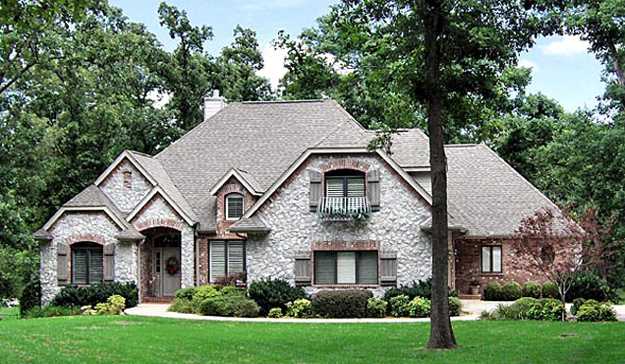
| So it’s time to Sell Your Past. You’ve decided to sell your home and embark on a new adventure. Well, the timing couldn’t be more perfect with interest rates below 4%, new loan programs allowing lower down payments and more credit flexibility, and correctly-priced inventory at extremely low levels. Unfortunately, potential buyers don’t care about how long you have obsessed over choosing the perfect bathroom tiles or the “one-of-a-kind” built-in bookcase. To the buyer, those items have no bearing on the value of the home, even if you think they should. When it’s time to sell, you have to price your home right, using tangible factors. |
How Much Value Does this Renovation Add to My Home??
Contemplating home updates or  renovations this year? If so, a great tool for you is the 2015 Cost vs. Value Report published by Remodeling Magazine, comparing the average cost of 36 popular remodeling projects with the value those projects retain at resale in 102 U.S. markets. Check out this year’s trends and see how they compare to prior years:
renovations this year? If so, a great tool for you is the 2015 Cost vs. Value Report published by Remodeling Magazine, comparing the average cost of 36 popular remodeling projects with the value those projects retain at resale in 102 U.S. markets. Check out this year’s trends and see how they compare to prior years:Every Drop Counts: Protecting Homes from Flood Damage – KW Blog
We have all seen images of the damage that flooding causes. Floods can happen almost anytime, anywhere. Flooding causes an average of $8 billion in property damage in the United States each year according to the National Oceanic and Atmospheric Administration (NOAA). And it doesn’t take much to cause damage. According to the National Flood Insurance Program, just 1 inch of water can cause almost $21,000 in damage to a 2,000-square-foot home.
Your Policies Do Not Cover Floods
What you may not realize is that your homeowner’s insurance policy likely does not cover floods. To be protected against flood damage, secure additional coverage specific to flooding. In some cases, depending on where the home is located, lenders might require proof of flood insurance. As your real estate agent, I will connect you to insurance professionals who can help you find out early if flood insurance will be required. This could be an important factor in your purchase decision.
Protection Beyond Insurance
There are some precautions you can take to help safeguard your home from damaging flood water.
Ground-level flooring should be tile or stone. Wood flooring and carpet are more susceptible to rot when exposed to large quantities of water.
Check the roof for leaks and repair them immediately. When replacing the roof, make the additional investment to install a rubber roof underlayment, which is a waterproof barrier that sits under the shingles and protects your home from water entering through the roof.
Consider investing in a sump pump and keep it handy in the event you need to remove excess water from the home.
It Doesn’t Need to Rain to Flood
Keep in mind that damaging waters do not come only from excessive rain and inclement weather; homes can flood from broken pipes, faulty appliances or human error such as leaving a faucet running.
 MartellSells.com